
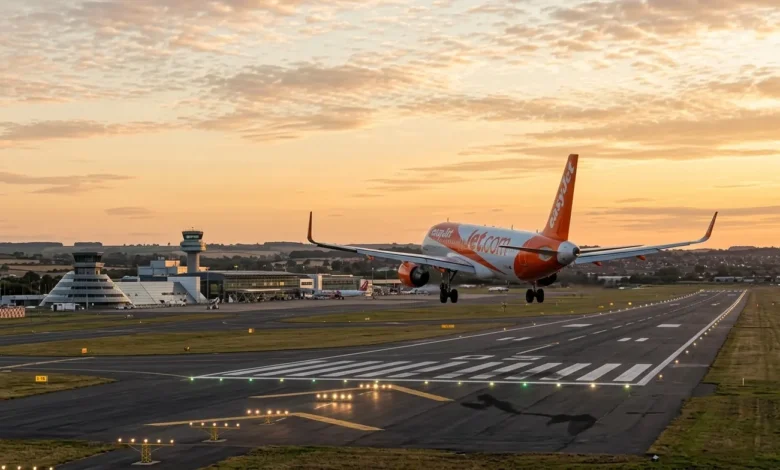
I know the easyJet flight U2238 emergency landing Newcastle incident sounds alarming at first. When I first saw it I thought something serious had gone wrong. But after breaking it down carefully I realized the reality is very different from what most people assume.
In this article I’ll explain what actually happened why the flight diverted and what this situation really means from an aviation point of view. I’ll keep it simple clear and based on how these events actually work in real life.
Table of Contents
What Happened on easyjet flight u2238 emergency landing newcastle
The flight started like any normal journey. Everything was stable and there were no early signs of any technical issues. The aircraft was cruising at altitude and following its planned route.
At some point during the flight a serious situation developed inside the cabin. A passenger needed urgent medical attention. Cabin crew responded immediately and began assisting.
The crew quickly informed the pilots about the situation. After assessing the urgency the pilots decided not to continue toward the original destination. They declared an emergency and prepared to divert the aircraft.
Also Read: EasyJet U22152 Emergency Germany: What Really Happened
Why the Flight Diverted to Newcastle
The decision to land in Newcastle was based on safety and speed. The pilots selected the nearest airport that met their emergency landing criteria. The airport of Newcastle provided the necessary emergency services and runway access together with its distance from the airport. The airport allowed the pilots to perform an emergency landing operation through which they achieved a safe and rapid landing.
The situation requires urgent medical attention because every passing minute raises the risk of death. The crew decided to stop their progress because they needed to handle the situation without taking any risks. Most people believe that pilot diversions require complex decisions but pilots actually use established procedures for these situations.
What “Emergency Landing” Really Means
The phrase emergency landing causes people to perceive a dramatic situation. The word means something extreme to me because I believed it means that. The controlled situation in aviation functions according to its normal operating standards.
The emergency declaration by pilots does not indicate a state of panic. The pilots use the system to achieve priority status through their emergency declaration. Air traffic control system allows all aircrafts to proceed when it gives them clearance. The other aircraft will move away from the area. The procedure aims to eliminate all waiting times while assuring secure landing operations. The term emergency in this context indicates a state of precautionary safety instead of actual hazardous situations.
Was This Situation Actually Dangerous?
The situation required us to make a clear decision. The situation showed serious danger but it remained safe for all aircraft operations. The airplane maintained its complete operational capability throughout the entire period. The pilots maintained complete control over the aircraft. The pilots conducted the landing operation according to their pre-established plan which resulted in a damage-free descent. The passenger medical situation required immediate attention. The rest of the flight proceeded without any problems. This is something many articles fail to explain properly.
What Happens Inside the Cabin During Such Situations
When a passenger becomes unwell the cabin crew acts immediately. They are trained to handle medical issues before landing.
They check the passenger’s condition and use onboard medical kits. If needed they ask if any doctor is on the flight. At the same time they manage the cabin environment. They keep passengers calm and avoid panic. I’ve noticed that good communication makes a huge difference in these moments.
Step-by-Step What the Crew Did
The crew noticed a serious medical issue and began first aid. They informed the pilots without delay.
The pilots assessed the situation and decided it required urgent landing. They declared an emergency to get priority clearance.
They selected Newcastle as the closest suitable airport. The aircraft changed direction and prepared for landing.
After landing medical teams took over immediately. The situation was handled professionally from start to finish.
Emergency Landing vs Normal Diversion
| Factor | Emergency Landing | Normal Diversion |
| Reason | Medical or safety issue | Weather or scheduling |
| Priority | Immediate | Low |
| Speed | Fast response | Flexible |
| Ground Support | Emergency teams ready | Standard staff |
The easyJet flight U2238 emergency landing Newcastle clearly falls into the emergency category.
My Personal Observation From Similar Cases
I follow aviation events closely and I’ve seen similar situations many times. In one case a flight changed direction suddenly and people online assumed the worst. Later it turned out to be a simple medical issue. That’s when I realized how often these situations are misunderstood. The same pattern applies here. The response looks dramatic but it’s actually routine.
What Happens After the Aircraft Lands
Once the aircraft lands the priority shifts to medical care. Emergency teams board the plane immediately. They assess the patient and provide treatment. After that the airline decides what to do next. This may include continuing the flight or arranging alternatives. Passengers may face delays but safety always comes first.
Common Mistakes People Make
Many people assume an emergency landing means something failed in the aircraft. That is not true in most cases. Another mistake is believing headlines without understanding aviation systems. I also noticed that people underestimate how prepared airlines are for these situations. These misunderstandings create unnecessary fear.
Why This Incident Shows Strong Aviation Safety
This situation actually shows how well aviation systems work. The crew acted quickly and followed procedures. Air traffic control supported them without delay. Ground teams were ready before the aircraft even landed. Everything worked exactly as it should.
Real Example From a Passenger Perspective
I once read about a passenger who experienced a similar diversion. They said the crew stayed calm and explained everything clearly. There was no panic inside the cabin. That kind of response builds trust and keeps situations under control. I believe something similar happened on flight U2238.
Future Trends in Aviation Safety
Airlines are constantly improving safety systems. New aircraft include better monitoring tools. These help detect issues earlier and respond faster. Crew training is also becoming more advanced. Simulations now cover a wide range of scenarios. In the future responses to situations like this will become even faster and more efficient.
Conclusion
After analyzing everything I can say the easyJet flight U2238 emergency landing Newcastle was handled exactly the way it should be. There was no technical failure no loss of control and no major danger to passengers. It was a controlled and professional response to a medical situation. This is how modern aviation is designed to work.
FAQs
Should I be worried about flying after this incident?
I understand why people feel concerned but I personally don’t see a reason to worry. I’ve seen many similar cases and they are handled safely every time.
Why do pilots declare emergencies for medical issues?
From what I’ve learned pilots do this to save time. Declaring an emergency gives them priority and allows faster landing.
Was the aircraft damaged in this incident?
I did not find any sign of damage. The aircraft remained fully operational throughout the flight.
Why was Newcastle chosen instead of continuing?
I believe it was the closest suitable airport. In medical cases shorter distance always matters more than original plans.
Are medical emergencies common on flights?
Yes, they happen more often than people think. Airlines train their staff to handle these situations effectively