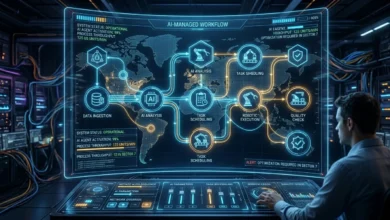

When I first came across the term tracqueur, I immediately thought of tracking tools. But I noticed that many users are confused about whether it refers to a legitimate tracking system or something more suspicious. That confusion is exactly why this keyword is getting attention.
In simple terms, tracqueur is usually used to describe a tracking tool or system that monitors activity, location, or data. However, depending on how and where it is used, it can either be completely safe or potentially harmful. In this guide, I’ll explain what tracqueur is, how it works, where it is used, and how to know if it’s safe.
Quick Summary
- Tracqueur means tracking tool or monitoring system
- Used in apps, websites, and devices
- Can be safe or harmful depending on usage
- Common in analytics, security, and location tracking
- Requires verification before trusting
Table of Contents
What Is Tracqueur
When I analyzed tracqueur, I found that it generally refers to any system that tracks activity or data. This can include website trackers, GPS tracking tools, or software that monitors user behavior. The term itself is not tied to one specific product, which is why it can be confusing.
In many cases, tracqueurs are used for legitimate purposes. Businesses use them to understand user behavior, improve services, and enhance security. For example, websites track visitor activity to analyze performance and user engagement.
However, the same concept can also be used in less transparent ways. That’s why it’s important to understand the context in which tracqueur is being used.
Also Read: Woeken Explained: What It Means, Uses, and Why It’s Trending
How Tracqueur Works
The safety assessment of a tracqueur system requires knowledge about its operational functions. The system operates by collecting data which it sends for further analysis. The data includes information about a person’s location and their online behavior and their computer usage.
A website tracqueur tracks visitor behavior by recording the duration of their page visits and their selected links. A device tracqueur may monitor location using GPS. The systems use sensors and cookies and software integration to collect data from their environment.
I found that real tracqueurs function in a way which allows their operations to be observed by users. They normally provide users with information regarding their data collecting procedures. The systems which appear suspicious operate without user knowledge.
Types of Tracqueur Systems
There are different types of tracqueur systems, and each serves a specific purpose. When I explored them, I found that they can be grouped into categories.
Website tracqueurs are used for analytics and marketing. They track user behavior to improve website performance. Device tracqueurs use GPS or sensors to monitor location, often used in smartphones or vehicles.
Software tracqueurs monitor system activity, which can be used for security or performance tracking. Understanding these types helps identify whether a tracqueur is legitimate or not.
Is Tracqueur Safe or Dangerous
This is where things get important. A tracqueur is not inherently dangerous, but its safety depends on how it is used. When used transparently and with user consent, it is completely safe and beneficial.
However, if a tracqueur operates without your knowledge, it becomes a concern. Hidden tracking can lead to privacy issues and data misuse. This is especially true for unknown software or suspicious apps.
From my experience, the best approach is awareness. Always know what is running on your system and what data is being collected.
Signs of a Harmful Tracqueur
When I check for suspicious tracqueurs, I look for specific signs. These indicators help determine whether something is safe or not.
If your system shows unusual activity, such as high CPU usage or unexpected data transfers, it could be a warning sign. Another indicator is unknown apps or files that you didn’t install.
Frequent pop-ups or slow performance can also point to unwanted tracking software. If you notice these signs, it’s important to investigate immediately.
How to Remove Tracqueur Safely
If you suspect a harmful tracqueur, removing it properly is essential. I’ve seen users make mistakes by deleting files randomly, which can cause issues.
Start by identifying the source. Check installed programs and remove anything suspicious. Use antivirus software to scan your system and detect hidden threats.
After removal, restart your system and monitor performance. This ensures that the tracqueur is completely removed and your system is secure.
Tracqueur vs Legitimate Tracking Tools
| Feature | Tracqueur (Unknown) | Legitimate Tracker |
|---|---|---|
| Transparency | Low | High |
| User Consent | Unclear | Required |
| Security | Risky | Safe |
| Purpose | Unknown | Defined |
| Support | None | Available |
This comparison shows why verification is important.
Real-World Example
I once checked a system where a user complained about slow performance. After analyzing it, I found a hidden tracking process running in the background. It was collecting data without clear permission.
Once removed, the system performance improved immediately. This experience showed me how important it is to monitor unknown tracking tools.
Future of Tracking Systems
The future of tracqueur systems is evolving quickly. With advancements in technology, tracking tools are becoming more sophisticated and integrated.
I expect stronger privacy regulations and more transparency in how data is collected. Users will have more control over what information is shared.
At the same time, tracking will remain important for businesses and security systems. The key will be balancing functionality with privacy.
Conclusion
After analyzing everything in detail, I can confidently say that tracqueur is a broad term that refers to tracking systems used in websites, devices, and software. It is not inherently harmful, but its safety depends entirely on how it is used and whether users are aware of it. Legitimate tracqueurs play an important role in analytics, security, and performance tracking, helping businesses and users improve their systems and experiences.
From my perspective, awareness and proper verification are the best defenses. If you understand how tracqueur systems work and know what to look for, you can easily identify whether they are safe or harmful. In the end, tracqueur is not something to fear—but it is something you should always understand before trusting.
FAQs
What is tracqueur?
It refers to a tracking system that monitors activity, location, or data. It can be used in websites, devices, or software.
Is tracqueur safe?
It is safe when used with transparency and user consent. Hidden tracqueurs can pose privacy risks.
Can tracqueur be spyware?
Yes, if it tracks data without permission, it may act like spyware. Always verify unknown tracking tools.
How do I remove tracqueur?
Uninstall suspicious programs and run antivirus scans. This helps detect and remove harmful tracking software.
Where is tracqueur used?
It is used in analytics, GPS tracking, and system monitoring. Its purpose depends on the context.
Should I worry about tracqueur?
Not always, but you should verify its source and behavior. Awareness helps keep your system safe.