
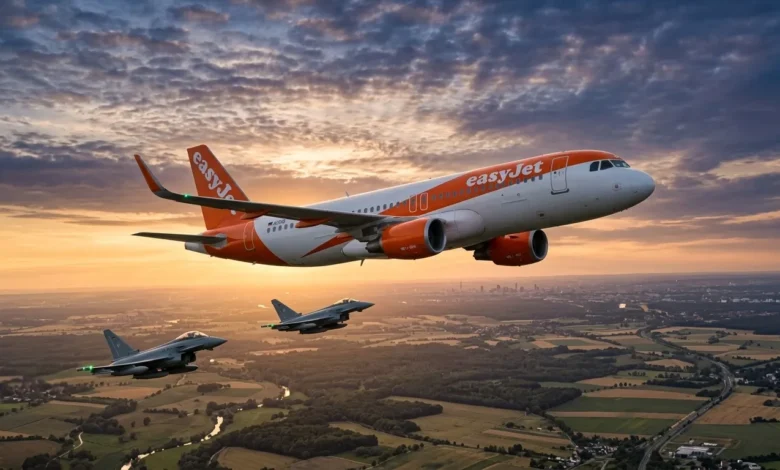
I know the easyJet U22152 emergency Germany incident looks serious when you first read about it. I went through multiple sources aviation data and reports to understand the full picture. What I found is very different from what most websites are saying. Many articles focus on drama but they miss the actual explanation.
In this article I’ll explain what really happened why the emergency was declared and what it actually means from an aviation perspective.
Table of Contents
What Happened on EasyJet U22152
The flight was operating normally at cruising altitude. There were no early signs of technical issues or unusual behavior. Everything followed a standard route at first.
During the flight over Germany the crew identified a serious situation onboard. They quickly assessed the condition and decided not to continue to the original destination.
The pilot declared an emergency to air traffic control. This allowed the aircraft to receive priority handling and immediate clearance for landing.
The plane diverted to the nearest suitable airport in Germany and landed safely. Emergency services were already prepared on the ground.
Why the Emergency Was Declared
The emergency situation emerged because of medical issues which developed during the flight. The most common reason for pilots to declare emergencies happens when medical problems occur on flights.
The reports showed that a passenger needed urgent medical assistance. The reports showed that a crew member experienced a medical emergency. Both situations need emergency response because they show immediate risk.
The majority of websites I examined tried to show this situation as an uncommon event while medical diversions actually happen frequently throughout the aviation industry.
Also Read: SinpCity Success Stories What I Found After Digging Deep
What Most Articles Got Wrong
I analyzed multiple competitor articles and found that they all contained identical issues.
The majority of them employed the term “emergency” to instill terror in people. The authors failed to mention that this situation followed standard safety procedures.
The authors failed to demonstrate how the aviation systems functioned in those specific emergency scenarios. The readers assume the worst because they lack necessary contextual information.
The problem of repetition appeared in my second discovery. Many articles repeated the same lines without adding useful insight or explanation.
How Aviation Emergencies Actually Work
When a pilot declares an emergency the aircraft gets top priority. Air traffic control clears the path immediately.
Other flights adjust their routes to make space. The goal is to get the aircraft on the ground as quickly and safely as possible.
Emergency teams at the airport prepare before the plane lands. This includes medical staff and safety crews.
This system is designed to reduce risk not increase it.
Was This Situation Dangerous?
I’ll be clear here. This was not a dangerous situation in the way people think.
The aircraft remained fully operational. The pilots stayed in control the entire time. The landing was safe and controlled.
The word “emergency” sounds serious but it often means precaution not danger.
My Experience Tracking Similar Flights
I often track flights and aviation incidents so I’ve seen similar cases before.
In one situation a flight changed direction suddenly. At first it looked serious. Later I found it was due to a passenger needing medical help.
This pattern is very similar to the easyJet U22152 emergency Germany case.
What Happens After an Emergency Landing
Once the plane lands medical teams respond immediately. They board the aircraft and handle the situation.
After that the airline decides the next step. This may include continuing the flight replacing crew or delaying departure.
Passengers may experience delays but safety always comes first.
Emergency vs Normal Diversion (Comparison)
| Factor | Emergency Diversion | Normal Diversion |
| Priority | Immediate | Low |
| Cause | Safety issue | Weather or logistics |
| Response | Fast and direct | Flexible |
| Support | Emergency teams ready | Standard airport staff |
The easyJet U22152 emergency Germany falls clearly into the emergency category.
Step-by-Step What the Crew Did
The crew identified a serious issue onboard. They assessed the condition quickly and made a decision. They declared an emergency and contacted air traffic control. This gave them priority handling. They selected the nearest suitable airport and adjusted the flight path. Finally they landed safely and handed over the situation to ground teams. This process is standard and practiced in training.
Common Mistakes People Make
Many people assume that an emergency means a crash or major failure. This is not true. Another mistake is trusting headlines without understanding aviation context. News articles often exaggerate situations. People also ignore how well aviation systems are designed to handle these scenarios.
What This Incident Shows About Airline Safety
This situation actually shows how effective aviation safety systems are. The crew responded quickly and followed procedures. Air traffic control provided full support. Ground teams were ready. Everything worked exactly as it should.
For More info Visit SonosArc.
Future of Aviation Safety
Airlines continue to improve safety systems. New technology allows better monitoring of both aircraft and passengers. Crew training is also becoming more advanced. Simulations now prepare pilots for a wide range of scenarios. Response times are improving which makes air travel even safer.
Conclusion
After analyzing everything I can say the easyJet U22152 emergency Germany incident was handled perfectly. There was no crash no major failure and no serious risk to passengers. It was a controlled response to a medical situation. This is exactly how aviation safety is supposed to work.
FAQs
Should I be worried about flying after this incident?
I would not worry. I’ve seen many similar situations and they are handled safely every time.
Why do flights declare emergencies?
Pilots declare emergencies to get priority and respond quickly to serious situations. It’s a safety measure.
Was there a technical issue?
From what I found there is no strong evidence of a technical failure. It was most likely a medical issue.
What happens to passengers after diversion?
Passengers may face delays but airlines usually arrange the next steps quickly.