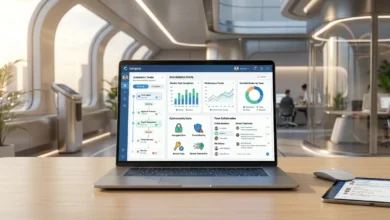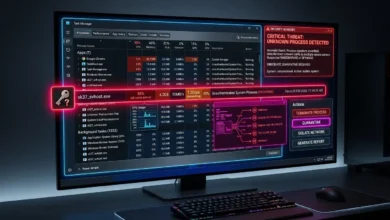
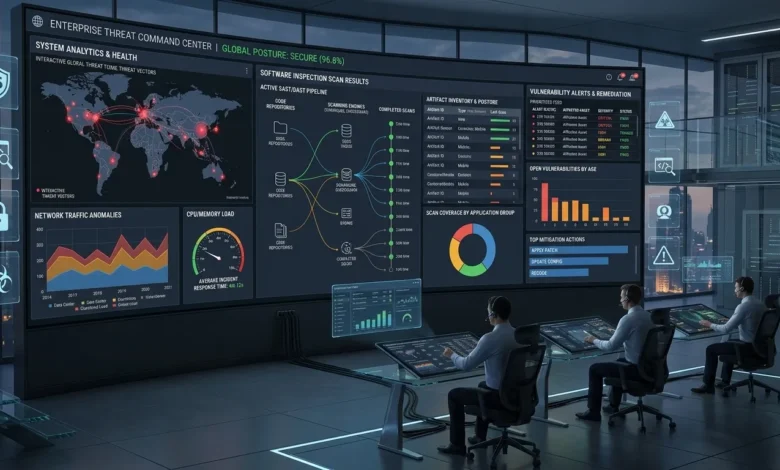
When I first worked with enterprise systems I realized something critical. Most companies don’t actually know what software is running inside their own networks. That’s where a corporate software inspector becomes essential.
It is not just another IT tool. It’s a system that scans audits and monitors all software across an organization to ensure security compliance and performance. In this guide I’ll break down how it works why businesses rely on it and what you should look for if you plan to use one.
Quick Summary
- A corporate software inspector scans and audits software across systems
- Helps identify vulnerabilities outdated apps and unauthorized tools
- Essential for compliance cybersecurity and IT management
- Used by enterprises IT teams and security professionals
- Reduces risk and improves system visibility
Table of Contents
What Is a Corporate Software Inspector
A corporate software inspector is a specialized tool used by organizations to analyze all installed software across their infrastructure. It provides a detailed overview of applications versions licenses and security status.
When I first explored one I noticed it acts like a “scanner” for your entire system. It doesn’t just list software it evaluates it. It checks whether applications are outdated vulnerable or unauthorized.
This is important because unmanaged software is one of the biggest security risks in modern organizations.
If you want a complete breakdown of features, benefits, updates, and safety, you can read my full guide on what Immorpos35.3 software actually does and why it matters in 2026.
Why Businesses Need a Corporate Software Inspector
Most companies assume their systems are under control but that’s rarely true. Over time employees install tools updates are skipped and vulnerabilities grow silently.
This software solves this problem by providing full visibility. It shows exactly what is running across all devices and servers.
From my experience this visibility alone can prevent major security issues. It allows IT teams to act before problems turn into breaches. It also helps organizations meet compliance requirements which are becoming stricter every year.
How a Corporate Software Inspector Works
The corporate software inspector operates through a process that exceeds basic scanning capabilities. The system collects information from all active network connections which include desktop computers and server machines and cloud-based platforms.
The system compares all software components which are currently installed on the system against the established vulnerability databases. The system checks for outdated versions missing patches and missing security updates. The system creates reports which include alerts about system status. The reports provide IT teams with essential information needed for their operational needs.
The automation system proved to be my most valuable discovery. Modern inspectors perform ongoing system monitoring instead of conducting single-instance scanning.
Key Features of Corporate Software Inspector Tools
A good software includes several critical features that go beyond basic scanning.
Vulnerability detection is the most important. It identifies weak points in software before attackers can exploit them. Software inventory management provides a complete list of all applications in use. This helps eliminate unauthorized or unnecessary tools.
Patch management ensures systems stay updated. The tool either recommends or automatically applies updates. Compliance reporting helps organizations meet industry standards. This is crucial for sectors like finance and healthcare. These features work together to create a strong security layer.
Corporate Software Inspector vs Traditional IT Tools
| Feature | Corporate Software Inspector | Antivirus | Basic IT Tools |
| Software Visibility | Full system-wide | Limited | Partial |
| Vulnerability Detection | Advanced | Basic | None |
| Compliance Support | Yes | No | Limited |
| Automation | High | Medium | Low |
| Reporting | Detailed | Basic | Minimal |
This comparison shows that a corporate software inspector is not just a security tool it’s a full management system.
My Experience Using a Corporate Software Inspector
When I first used a corporate software inspector I was surprised by what it revealed. Even in a controlled environment there were outdated applications and unused tools running in the background. These were potential security risks that went unnoticed.
The tool flagged them instantly and provided solutions. This saved hours of manual checking and reduced risk significantly. It also improved system performance by removing unnecessary software.
Who Should Use a Corporate Software Inspector
A corporate software inspector is essential for organizations that manage multiple systems. IT teams use it to maintain control over software environments. Security professionals rely on it to detect vulnerabilities. Large enterprises benefit the most because they have complex infrastructures. However even small businesses can use it to improve security and organization.
Step-by-Step: How to Implement a Corporate Software Inspector
First choose a reliable tool that fits your organization’s needs. Consider features scalability and integration options. Next install it across your network. This may include endpoints servers and cloud systems. Run an initial scan to create a baseline. This shows your current software environment. Review the results and prioritize fixes. Focus on high-risk vulnerabilities first. Finally enable continuous monitoring. This ensures ongoing protection.
Common Mistakes to Avoid
One mistake I see often is treating the corporate software inspector as a one-time solution. Security is not a one-time task. Continuous monitoring is essential.Another mistake is ignoring reports. The tool is only useful if you act on its insights.
Some organizations also delay updates which defeats the purpose of using the tool. Avoiding these mistakes maximizes its effectiveness.
Real-World Example
I worked on a case where a company experienced repeated system slowdowns. After using a corporate software inspector we discovered multiple outdated applications running in the background.
These apps were consuming resources and creating vulnerabilities. Once removed and updated system performance improved immediately. This shows how powerful visibility can be.
Future of Corporate Software Inspection
The future of corporate software inspector tools is evolving rapidly. AI-driven analysis is becoming more common. These systems can predict risks before they happen.
Cloud integration is also expanding allowing better visibility across distributed environments. As cybersecurity threats increase these tools will become a standard requirement for businesses.
Conclusion
After working with different enterprise environments, I’ve learned that ignoring software visibility is one of the biggest risks any organization can take. A corporate software inspector is not just another IT tool—it’s a complete system for understanding what is happening inside your infrastructure at all times. It gives you control over software usage, helps identify hidden vulnerabilities, and ensures that nothing runs in your environment without your knowledge.
FAQs
What is a corporate software inspector used for?
It is used to scan analyze and manage software across an organization for security and compliance.
Is a corporate software inspector necessary for small businesses?
Yes even small businesses can benefit from improved visibility and security.
How does it improve security?
It detects vulnerabilities outdated software and unauthorized applications.
Can it replace antivirus software?
No it works alongside antivirus tools to provide deeper analysis.