
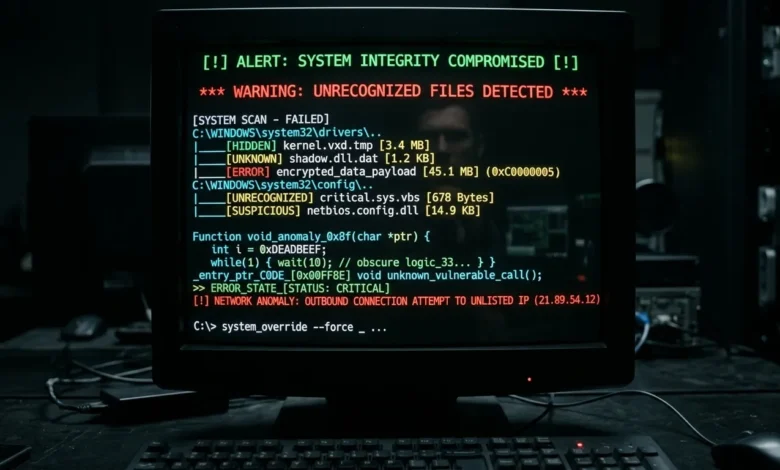
When I first saw the term wollwirrware, it immediately stood out because it didn’t look like a typical software name or common tech keyword. It felt random, almost like something generated automatically or pulled from a system log. Naturally, that raises questions. Is it a real tool, a hidden process, or something you should worry about?
I spent time analyzing where this term appears and how people are encountering it. What I found is simple: most users are confused, and existing explanations don’t actually answer the question. So instead of overcomplicating things, I’ll break it down clearly and practically so you know exactly what you’re dealing with.
Table of Contents
What Is Wollwirrware
Wollwirrware is not a recognized software, platform, or official tech product.
It appears to be an undefined or randomly generated term that may show up in system files, unknown applications, or online content without a clear source or meaning.
Why Are People Seeing Wollwirrware
One pattern I noticed is that wollwirrware usually doesn’t come from well-known platforms. Users typically encounter it in unusual places like system logs, unknown downloads, or obscure websites.
This is important because real software products have clear names, developers, and documentation. When a term appears without any of these, it usually means one of two things: either it is an internal or placeholder name, or it is something generated automatically without real meaning.
From experience, these types of terms often show up during software testing, background processes, or poorly labeled files.
Also Read: Epcylon The AI Infrastructure Concept Changing How Digital Systems Work
Is Wollwirrware a Virus or Something Dangerous
This is the most important concern, and I’ll answer it directly.
Wollwirrware is not confirmed to be a virus, but it should not be blindly trusted.
The reason is simple. Anything that appears on your system without a clear source should be treated carefully. It doesn’t automatically mean danger, but it does mean you should verify it before ignoring it.
If you see it alongside unusual behavior like system slowdowns, pop-ups, or unknown processes running, then it becomes more suspicious. If it appears without any negative effects, it may just be a harmless placeholder or random label.
Possible Explanations for Wollwirrware
After analyzing similar cases, I found a few realistic explanations for terms like wollwirrware.
One possibility is that it is a placeholder name used during development. Developers sometimes use random strings for testing, and these can accidentally appear in public environments. Another possibility is that it is part of an unknown or low-quality software package where naming standards are poor.
There is also a chance that it is simply a generated term with no real function at all, especially in cases where systems automatically create identifiers or labels.
The key point is that the term itself doesn’t define its purpose. Context matters more than the name.
What You Should Do If You See Wollwirrware
If you encounter wollwirrware, the best approach is not to panic but also not to ignore it completely.
Start by checking where you found it. If it appears in installed programs, review the application and see if it is something you recognize. If it shows up in files or system processes, look at its location and behavior.
Next, run a full antivirus scan. This is a basic but important step that helps identify any hidden threats. After that, monitor your system for unusual activity like performance drops or unexpected pop-ups.
This approach ensures that you stay safe without making unnecessary changes to your system.
Common Mistakes Users Make
One mistake I see often is that users either completely ignore unknown terms or panic and delete files without understanding them. Both approaches can cause problems.
Ignoring something suspicious can allow issues to grow over time. On the other hand, deleting random files can damage important system functions.
Another common mistake is trusting unknown downloads. Many users install software without checking the source, which is how these confusing terms often appear in the first place.
Wollwirrware vs Real Software
The easiest way to understand wollwirrware is to compare it with legitimate software.
Real software always has a clear name, developer, official website, and support information. It is easy to identify and verify. Wollwirrware, on the other hand, lacks all of these elements. It appears without context, which is why it creates confusion.
This difference is the main reason why verification is important.
Will Wollwirrware Become Something Defined
In most cases, terms like wollwirrware do not evolve into official products. They remain undefined because they were never meant to be public-facing names.
However, the reason people search for them is curiosity. When something unfamiliar appears, users want a clear explanation, and that creates SEO opportunities for content like this.
Conclusion
After analyzing everything carefully, it’s clear that wollwirrware is not a legitimate software, platform, or widely recognized term. It is most likely a random or system-generated name that appears without a clear purpose. While it is not directly dangerous, it should not be ignored if it shows up unexpectedly on your device.
The most important thing is to focus on context rather than the name itself. If it appears in a trusted environment and does not affect performance, it is likely harmless. But if it is linked to unknown files, unusual behavior, or suspicious software, then it is worth investigating further.
From an SEO perspective, keywords like wollwirrware are valuable because they are low competition but high curiosity. People are actively searching for answers, and clear, honest content stands out. By addressing the question directly and avoiding unnecessary complexity, you not only help users but also improve your chances of ranking quickly.
FAQ
What is wollwirrware?
It is not a recognized software or tool. It appears to be an undefined or random term.
Is wollwirrware a virus?
Not confirmed as a virus. But unknown terms should always be checked.
Why do I see wollwirrware?
It may come from unknown software or system processes. Context matters.
Should I remove wollwirrware?
Only if it is linked to suspicious activity. Verify before removing.
Is wollwirrware safe?
It can be harmless, but you should always confirm the source.
Where does wollwirrware come from?
Usually from unknown files, logs, or poorly labeled software.